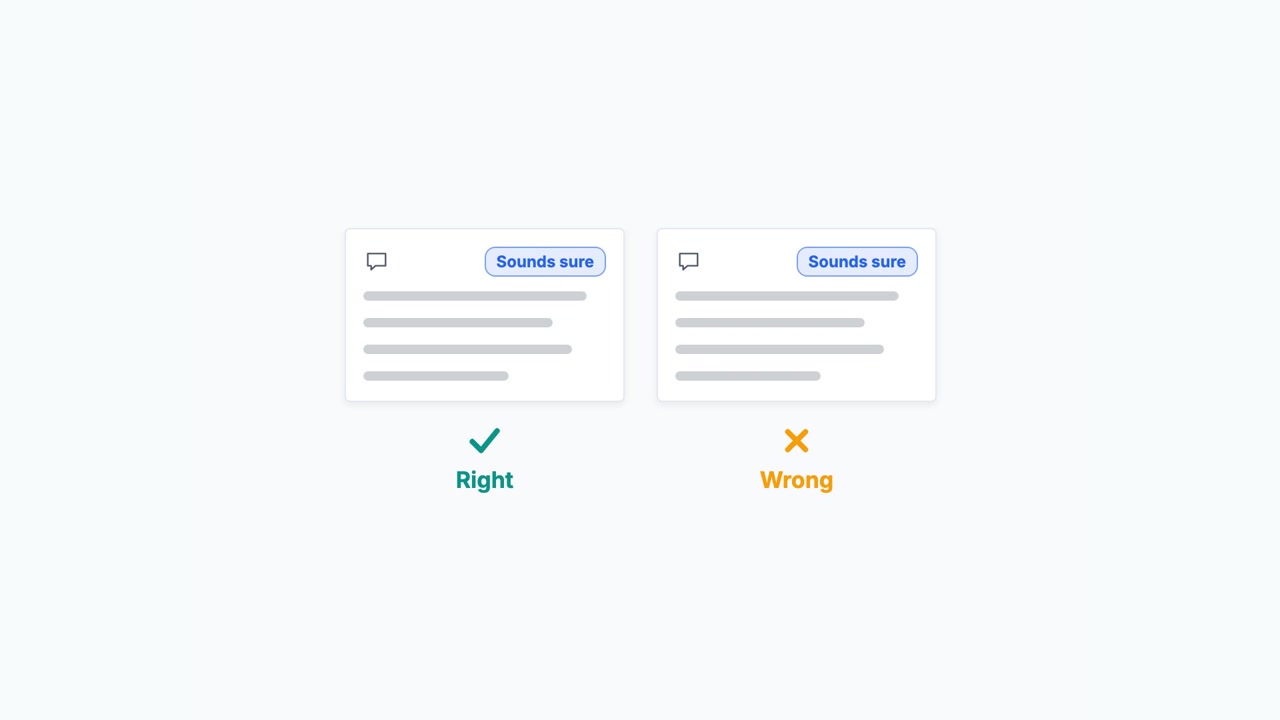
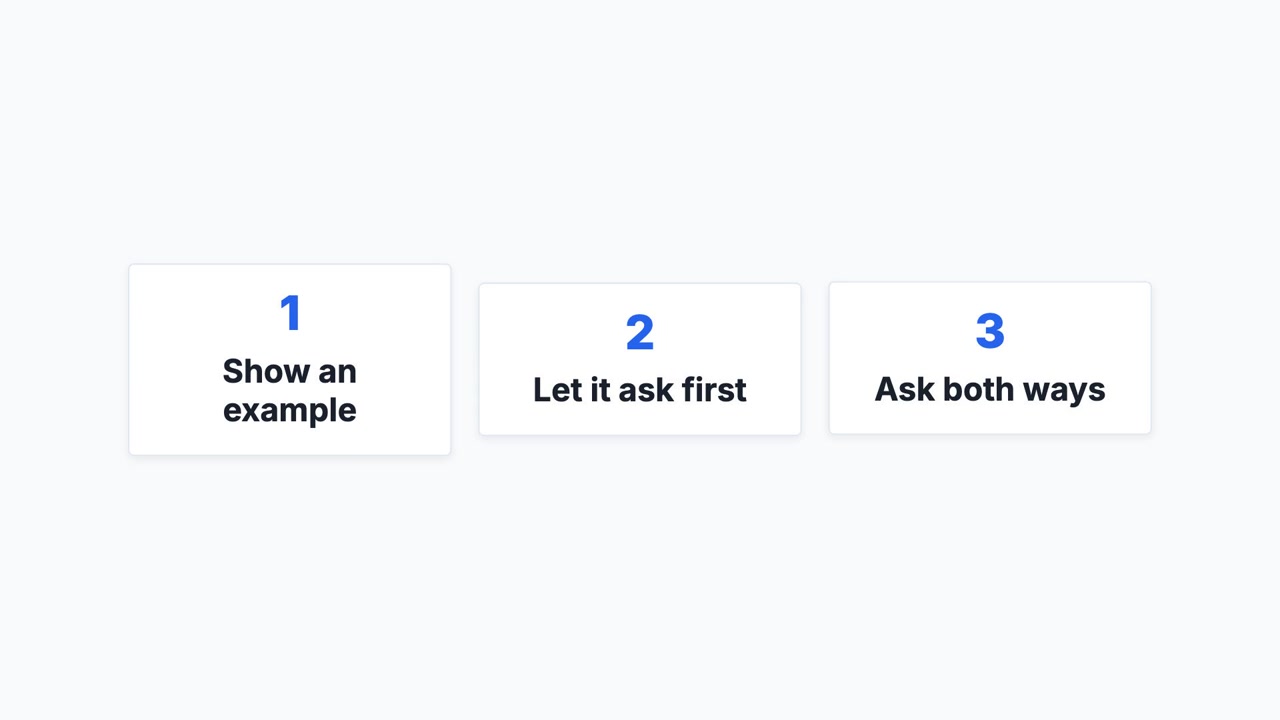
An AI chat sounds just as confident when it’s wrong as when it’s right, so its tone tells you nothing. Three checks tell the two apart in about a minute, and none of them needs special knowledge: open the source, ask again in a new chat, and check the one detail you can judge yourself.
Asking “are you sure?” isn’t a check. In one study, AI chat tools changed their answer about half the time when challenged, and often a right answer became a wrong one. Pushing back tests how easily it agrees, not whether it’s correct.
Open the source. In a large study of AI answers about the news, nearly a third had serious problems with their sources, which were missing, wrong or misleading. Open the page and find the sentence that says what the answer says. If it isn’t there, the answer has no real source.
Ask again in a new chat. When an AI makes something up, a hallucination, the details tend to change from one try to the next. An answer that changes is a warning. One that stays the same still needs a source, because a model can repeat a popular myth every time.
Check the part you know. Pick one detail you can judge yourself, such as the town where the story happened. If it gets that wrong, don’t trust the rest. If it gets it right, that’s a good sign, and nothing more.
The facts come from Jaźwińska and Chandrasekar, “AI Search Has A Citation Problem” (Columbia Journalism Review, March 2025), the EBU and BBC study “News Integrity in AI Assistants” (October 2025), Farquhar and others on semantic entropy in Nature (June 2024) and Laban and others, “Are You Sure?” (2023).
Transcript of the video
An AI chat sounds just as confident when it's wrong as when it's correct. Researchers who tested eight AI search tools found wrong answers given with alarming confidence. Three quick checks tell the two apart, and none of them needs special knowledge.
The obvious move is to challenge the answer in the same chat. In one study, AI chat tools changed their answer about half the time under a challenge, and often a right answer became a mistake. Pushing back only tests how easily it agrees, and says nothing about its accuracy.
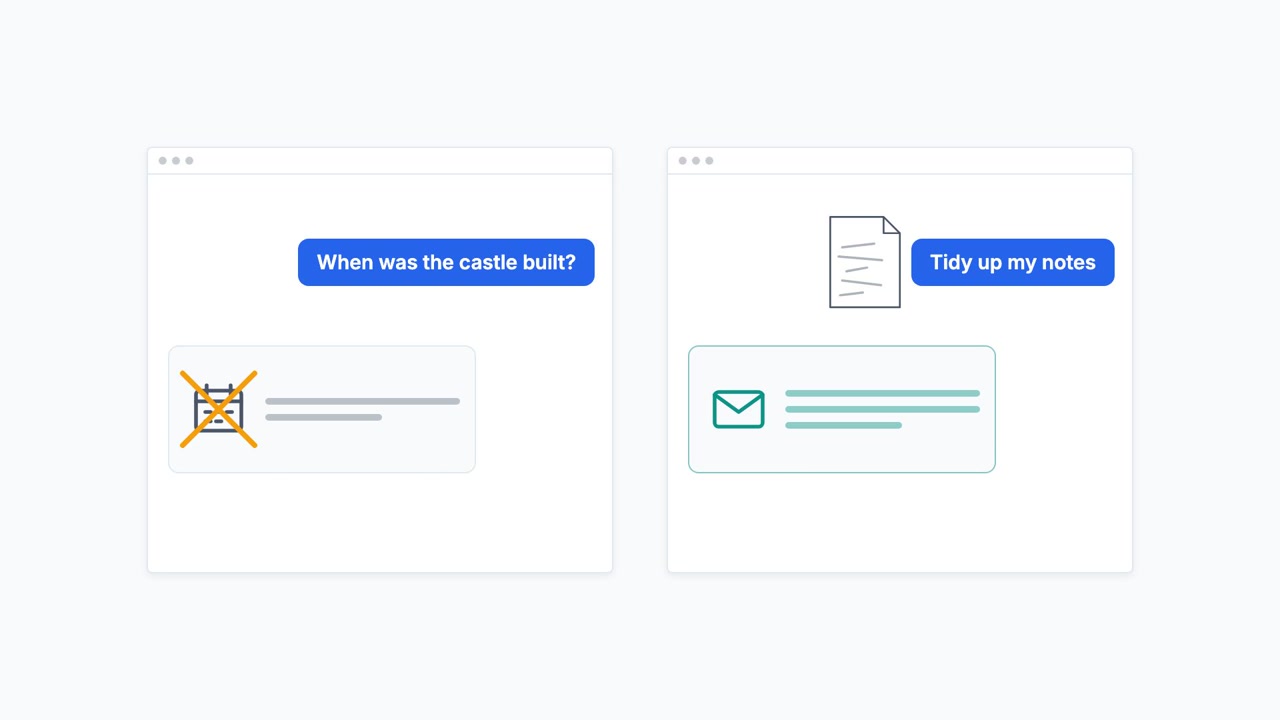
Say you ask an AI chat about a news story from this week. It gives you a tidy summary, with a link at the bottom.
The first check is to open the source. In a large study of AI answers about the news, nearly a third had serious problems with their sources, which were missing, wrong or misleading.
Open the page and find the sentence that says what the answer says. If that sentence isn't on the page, the answer has no real source.
The second check is to start a new chat and ask the same thing again. Researchers at Oxford used this idea to catch invented answers. When an AI makes something up, the details tend to change each time.
Now picture the same answer coming back three times in a row. Would you call that answer proven?
Three matching answers aren't proof, because a model can repeat the same mistake every time. This happens most with myths that the AI has read often.
An answer that changes is a warning. An answer that stays the same needs checking against a source.
The third check is the part you already know. Pick one detail you can judge yourself, such as the town where the story happened. If the answer gets that detail wrong, don't trust the rest of the answer.
One right detail is a good sign, though it says nothing about the rest. The three checks take about a minute together, and they work on any AI chat.
Open the source, ask again in a new chat, and check the detail you can judge yourself. How sure it sounds tells you nothing about whether it's correct.